
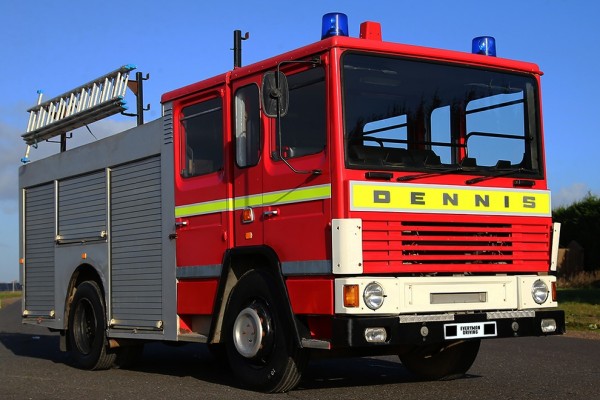
It's many people's ambition growing up to become part of the Fire and Rescue service here in the UK. Indeed, we have Fire Engine driving experiences available to book for both adults and juniors at a select number of our venues across the UK, including Kendrew Barracks and Prestwold Hall up in Leicestershire.
But for those who are booking to try out driving a gleaming red fire engine - or perhaps already have - what is it that takes you from trying out getting behind the wheel of a Dennis with blues and twos flashing and sirens blazing, to becoming the genuine article? Join us as we take a deep dive into how you can become a real life Fireman Sam yourself…
Entry Routes
There are a number of different routes into becoming a firefighter. Many colleges up and down the country offer courses, either in fire and rescue services in the community, or in public services, with students on these courses then using this to become a trainee firefighter.
Or you could also do an Operational Firefighter Level 3 Advanced Apprenticeship with a fire and rescue service, which takes about two years to complete, combining study with on-the-job training. You'll usually need to have GCSEs at grades 9-4 (A*-C) or the equivalent in Maths and English.
Then there's volunteering, or working a support role, such as say, home fire safety visits, or answering emergency calls made to 999. These offer great insight and experience into what the job is like. For those who are aged between 13 - 17, many local fire and rescue services have a Fire Cadets scheme, offering a few hours' training a week in basic firefighting drills, fire safety, first aid and using equipment.
Many services also have on-call firefighter positions available, for example to cover shifts on days, nights and weekends. You'll receive training in a broad range of incidents, and it could potentially lead to a full-time role.
Of course, you could always apply directly to your local service. Each of these will usually have their own entry requirements; typically GCSEs as we've discussed above, but also a lengthy selection process, which includes online aptitude tests, interviews, fitness and medical assessments and attendance at an assessment centre.
Required Skills
As one of the three emergency services, being part of the Fire service shares a lot of crossover with the Police and Ambulance services in terms of the skills set that is needed. This includes, but is not limited to, knowledge of public safety and security, being able to stay calm in challenging situations, good verbal communication, being detail orientated, being sensitive and understanding, working well with others, and carrying out basic tasks on computers or mobile devices.
We've already touched on being physically fit and passing medical checks above, but you will also usually have to complete enhanced background checks, be aged 18 and over, and have a full driving licence. But the good news is that there is no upper age limit to join. Almost all firefighters work shifts, including weekends, evenings and bank holidays, and in a typical week they could work between 42 - 48 hours a week. Salary will vary, from £28,000 per annum as a starting salary, to as much as £42,000 per annum for the more experienced firefighters.
What You'll Be Doing
Almost everyone knows that being a firefighter involves practice drills, responding to emergency call outs, controlling and putting out fires, and rescuing people and animals from burning buildings or sites of incidents. It goes without saying that you'll often be working in stressful situations that are both physically and emotionally demanding.
But there's also other things that the fire service are called upon to do, for example, assisting during natural disasters such as floods, containing hazardous chemical substance spills, or helping to clear debris after a storm, such as fallen trees or telegraph poles, that could pose a danger to life, or helping to manage say, dry areas of land that are susceptible to combustion during warm periods of weather such as a heatwave.
Aside from this, many fire services also give safety presentations to organisations such as schools and community groups, or will be called upon to inspect buildings (particularly new builds) to ensure that they meet fire safety regulations. In short, no two days as a firefighter are ever going to be the same!
Moving On Up
There's a lot of potential for career progression once you've been a firefighter for a certain number of years. All services will have a careers and development programme, that will help you to follow and track your career as you progress and gain experience, with some moving up to being crew manager, watch manager or station officer.
Other opportunities such as area manager, brigade manager and chief fire officer can become open to those who move between services. There's also the chance to take professional training and qualifications, which will gain you membership to the IFE (Institution of Fire Engineers), or to obtain your LGV (Large Goods Vehicle) licence for driving fire engines.
If this all sounds like a bit of you, you can book for our Fire Engine experiences now at our Truck Driving Experiences page for as little as £59, where we also have European and American HGV trucks, buses and even army trucks available to book to drive!
Like this article? Why not read some related articles to this one?