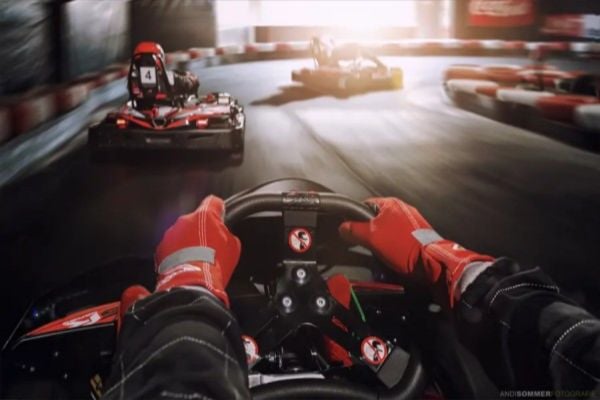
Are you ready to feel the thrill of the track? Whether you're planning a family day out, a birthday party, or just fancy a new adrenaline rush, go-karting is one of the UK's top entry-level motorsports—and it's more accessible than ever.
This beginner's guide covers everything you need to know before your first karting experience: what to wear, how to stay safe, key overtaking rules, and even what those flags mean.
What is Go-Karting?
Go-karting is a fast-paced, competitive activity where drivers race in small, open-wheel vehicles called karts. It's an exciting and safe introduction to motorsports, available at indoor and outdoor tracks across the UK.
Whether you're a complete beginner or a future F1 hopeful, karting helps you sharpen your reflexes, build confidence, and enjoy a high-energy day out.
What to Wear for Go-Karting
Karting centres will usually provide a race suit, gloves, and a helmet. But you will still need to dress appropriately underneath the race suit to stay safe and comfortable:
- Wear comfortable, fitted clothes – Choose breathable clothing like a t-shirt and joggers or leggings. Avoid loose items that could get caught in the kart.
- Trainers or closed-toe shoes only – Flat-soled shoes give you better pedal control. Avoid heels, flip-flops, or heavy boots.
- Tie back long hair and remove jewellery – Hair should be tucked securely into your race suit. Necklaces, dangling earrings, or watches can pose safety hazards.
- Bring a change of clothes – Outdoor tracks in the UK are often muddy, especially in wetter months. A spare outfit means you can stay dry and clean post-race.
Tip: Indoor tracks are temperature-controlled, but outdoor sessions can be chilly or damp—check the forecast before you go.
What to Expect on Your First Session
Your first go-karting experience is structured to help you ease into the track and race safely:
- Check-in and registration – Arrive 30 minutes early to complete paperwork, sign waivers, and receive your race pass.
- Safety briefing – A qualified instructor will walk you through kart controls, track layout, flag meanings, and what to do in emergencies.
- Getting kitted up – You will be given a full race suit, helmet, gloves, and a balaclava (head cover). Staff will help you gear up properly.
- Practice laps – Most sessions start with a warm-up so you can get a feel for steering, braking, and cornering before the actual race begins.
- Timed heats or race sessions – You will either compete for the fastest lap time or take part in a grid-style race, depending on the venue.
Karting Flags: What Do They Mean?
Understanding flag signals is essential for staying safe and racing fairly. Here's what each one means:
- Yellow flag – Caution - Slow down and be alert. No overtaking is allowed. There may be a kart stopped on the track or an incident ahead.
- Red flag – Full stop - All karts must stop safely. This usually means there has been a major issue or safety concern, and the session is paused.
- Chequered flag – End of race or session - The session is over. Complete your lap at a reduced speed and return to the pit lane.
- Black flag – Penalty or disqualification - If you receive this, you must return to the pits immediately. It usually means you've broken a rule (e.g., dangerous driving or ignoring warnings).
- Blue flag – Allow faster drivers to pass - This means a quicker driver is approaching. Hold your line and let them overtake safely.
Always watch out for marshals around the circuit, as they will wave these flags from the sidelines to communicate in real time.
Overtaking Rules in Go-Karting
Go-karting is competitive, but it's not a contact sport. The following overtaking rules are enforced at most UK circuits:
- No bumping, pushing, or aggressive contact - Karting is all about clean racing. Deliberate contact can damage equipment and put others at risk.
- Only overtake when it's safe to do so - Pass on the straights or wide corners where visibility is good. Don't force your way through narrow bends.
- Respect the blue flag system - If a marshal waves a blue flag, you must allow the faster driver to pass you as soon as it's safe.
- Hold your line during corners - Sudden swerving or erratic driving makes it harder for others to overtake and increases the risk of accidents.
Remember: the most skilled karters overtake through strategy and precision, not brute force.
Common Beginner Mistakes (and How to Avoid Them)
Avoid these typical first-time errors to improve your lap times and stay safe:
- Braking too hard or too late - Ease into corners and brake gradually. Slamming the brakes can cause you to spin out or lose control.
- Looking only at the kart in front - Focus your vision further ahead to better anticipate turns, hazards, and overtaking opportunities.
- Over-gripping the steering wheel - A tense grip reduces your steering responsiveness. Relax your hands slightly for smoother control.
- Underestimating physical forces - Even at moderate speeds, go-karts generate lateral G-forces. You will feel it in your arms and core, especially after a few laps.
Top Tips to Enjoy Your First Karting Session
These practical tips will help you make the most of your first go-karting day:
- Arrive early - Giving yourself plenty of time reduces stress and ensures you don't miss the safety briefing or kit fitting.
- Pay close attention during the briefing - Every track is different. Listen to the marshals' instructions—they will explain overtaking zones, pit entry, and local rules.
- Warm up your hands before driving - Outdoor circuits, especially in cooler weather, can make your hands stiff. Stretch and flex your fingers before putting on gloves.
- Focus on smooth, consistent laps - Don't worry about being the fastest right away. Consistency helps you stay in control and build confidence.
- Review your lap times and performance - Most UK karting centres offer printed lap reports or digital summaries. Use these to track your progress or compete with friends.
Best Places to Go Karting in the UK for Beginners
If you're looking for a great beginner-friendly circuit, here are a few top picks across the UK:
- TeamSport Go Karting - With indoor tracks in major cities like London, Birmingham, Leeds, and Manchester, TeamSport offers accessible karting for all skill levels.
- Buckmore Park (Kent) - One of the UK's most iconic outdoor circuits and the place where Lewis Hamilton started racing.
- Whilton Mill Karting (Northamptonshire) - A versatile venue that caters to families, corporate groups, and aspiring racers.
- Three Sisters Circuit (Wigan) - A well-maintained track offering karting for kids, teens, and adults, with different layouts for all levels.
- Brentwood Karting (Brentwood) – Home to one of the widest outdoor circuits in the UK, this impressive 8-metre-wide track offers fast-paced racing action in a thrilling open-air setting.
Always check the venue's minimum age and height requirements. Most tracks accommodate children from the age of 8, depending on the kart size and engine power.
Final Lap: Ready to Hit the Track?
Go-karting is more than just a fun day out; it's a fast, exciting way to build confidence, test your skills, and make lasting memories with friends or family. With the right preparation, even first-time drivers can enjoy the thrill of the race in a safe and supportive environment.
Ready to take your first lap? Explore our range of beginner-friendly Karting Experiences and start your journey into the world of motorsport.
Like this article? Why not read some related articles to this one?